
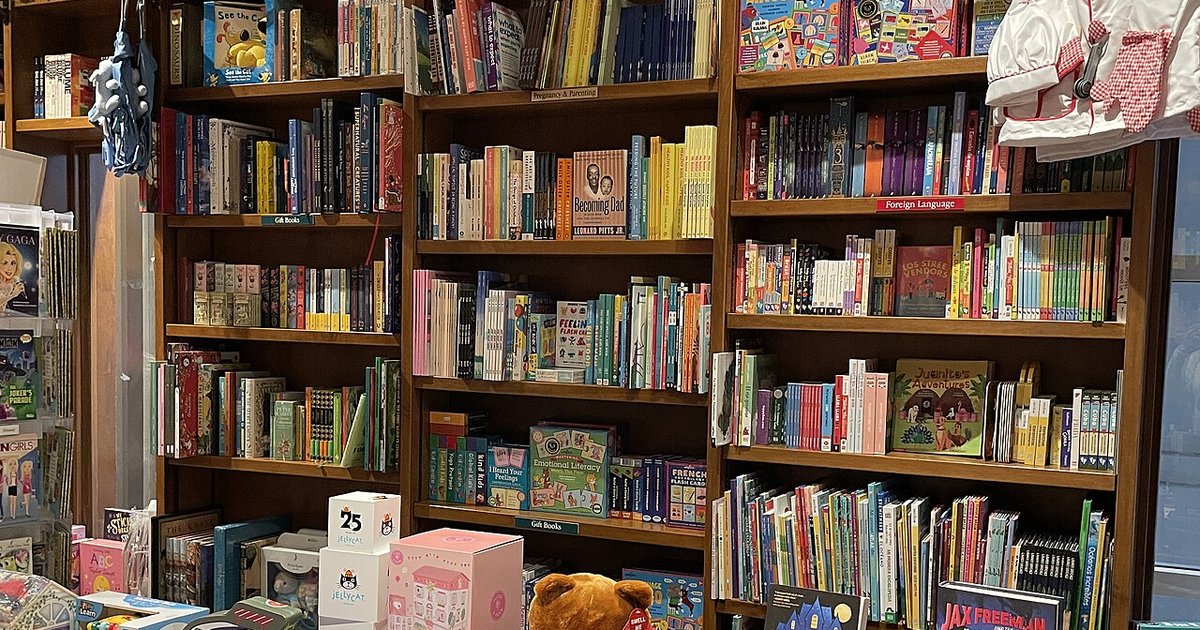
Alongside the growth of massive online retailers, a countervailing trend has taken hold among a meaningful share of consumers: a preference for supporting local and independent businesses whenever practical. This isn't a rejection of convenience so much as a values-driven addition to how some shoppers decide where to spend, particularly for certain categories of purchases.
This preference tends to be strongest in certain categories, such as restaurants, coffee shops, bookstores, and specialty retail, where the experience and product selection can genuinely differ from a large chain. In more commoditized categories, where price and convenience dominate the decision, local businesses often struggle to compete regardless of consumer goodwill toward the idea of shopping local.
To remain competitive against larger retailers, many small and local businesses have invested in their own online presence, offering e-commerce, local delivery, or buy-online-pickup-in-store options that mimic the convenience shoppers have come to expect from bigger competitors. Social media has also become an important tool for local businesses to build a following and communicate directly with their customer base without the marketing budget required for traditional advertising.
Some local businesses have also found success by leaning into their differences rather than trying to match large retailers on price or selection, emphasizing curated inventory, community events, or a distinctive in-store experience that a bigger competitor can't easily replicate. For consumers who want to support local businesses, the tradeoff often comes down to weighing the value of these intangible benefits against the convenience and typically lower prices of larger retailers, a decision that varies significantly depending on the product category and the shopper's personal priorities.