
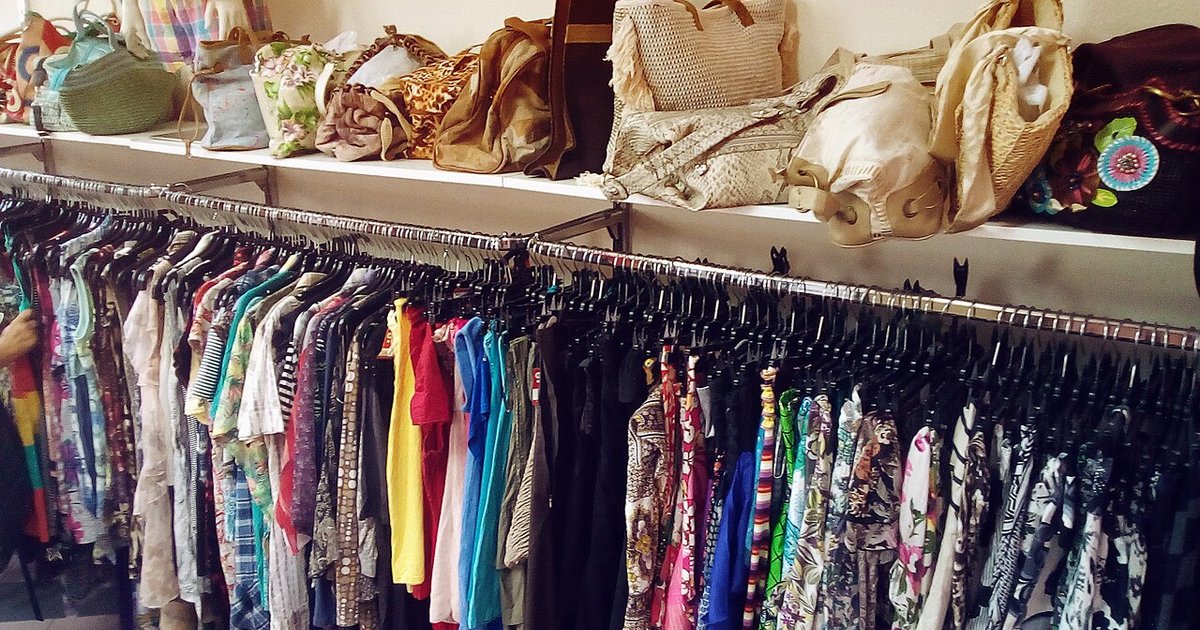
Buying used goods once carried a certain stigma for many shoppers, largely confined to garage sales, thrift stores, and classified ads. That perception has shifted substantially as dedicated resale apps and marketplaces have made buying and selling secondhand items simple, searchable, and often more trustworthy than informal used-goods exchanges of the past.
Retailers themselves have taken notice. Rather than treating resale as a threat, many now operate their own official resale channels, accepting used items in exchange for store credit and reselling them through branded platforms. This approach lets brands capture value from the secondhand market rather than losing that spending entirely to independent resale apps.
For many consumers, checking a resale marketplace has become a routine first step before buying something new, particularly for categories like designer clothing, furniture, and consumer electronics where used items can be a fraction of the retail price. This habit has quietly changed the calculation shoppers make: instead of comparing only new-item prices across retailers, they increasingly compare new versus used, and factor in expected resale value if they decide to sell an item later themselves.
This shift has also normalized selling as a routine consumer activity rather than an occasional one. Many people now list unwanted items for sale as a matter of habit rather than only when decluttering a home before a move. As resale platforms continue to add features like faster payouts, simplified shipping, and category-specific marketplaces for items like sneakers or vintage clothing, secondhand shopping looks increasingly likely to remain a permanent and growing part of how consumers shop, not a temporary trend tied to any single economic moment.