
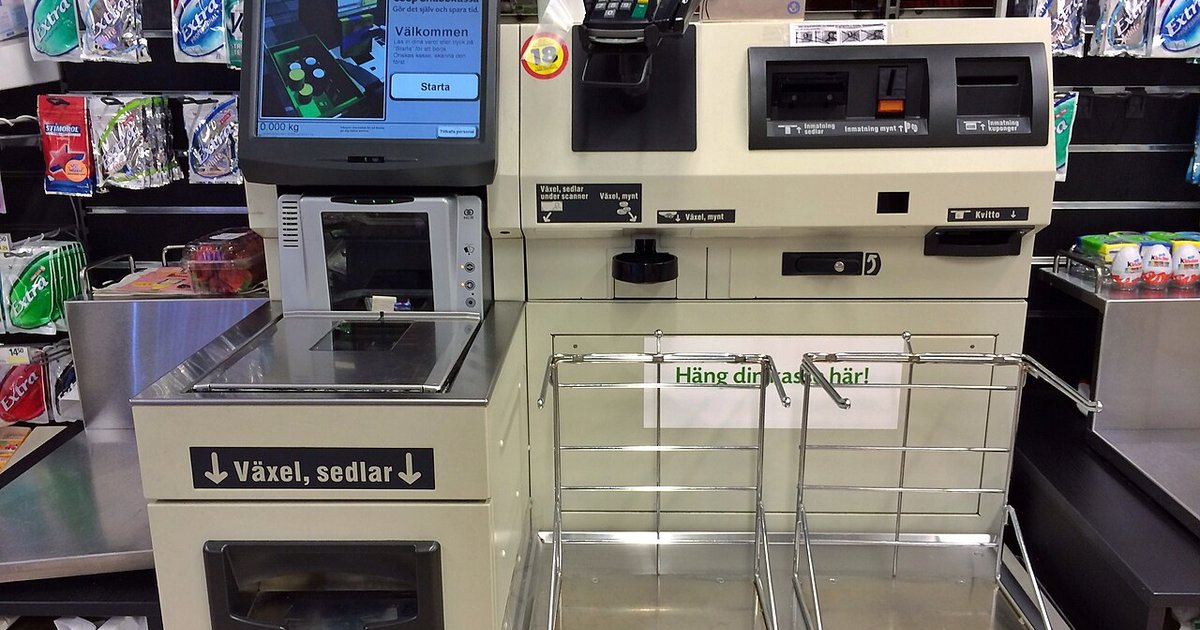
Walk into almost any large grocery store or pharmacy today and self-checkout lanes are likely to outnumber staffed registers. What began as a supplementary option for shoppers with a handful of items has become, in many stores, the default checkout experience, reflecting a broader push toward automation and contactless retail across the shopping journey.
Consumer reactions to self-checkout remain genuinely mixed. Some shoppers strongly prefer the speed and control of scanning their own items, while others find the process frustrating enough that they specifically seek out staffed lanes, particularly for larger orders. Some retailers have responded by rebalancing the number of self-checkout versus staffed lanes based on customer feedback rather than assuming more automation is always the better choice.
Self-checkout is just one part of a broader move toward reducing friction throughout the shopping trip. Some stores have experimented with formats that let shoppers scan items with their own phone as they walk the aisles and skip a traditional checkout line entirely, while others use camera-based systems that track what's taken from shelves and charge a linked payment method automatically after the shopper leaves.
These more advanced formats remain limited compared to standard self-checkout, partly due to cost and partly due to mixed consumer comfort with the level of tracking involved. Still, the overall direction is clear: retailers are steadily investing in technology designed to shorten or eliminate the traditional checkout process, betting that most consumers will value speed and convenience enough to accept a more automated, less staffed shopping experience, even as a smaller segment of shoppers continues to prefer the reassurance of a person at the register.