
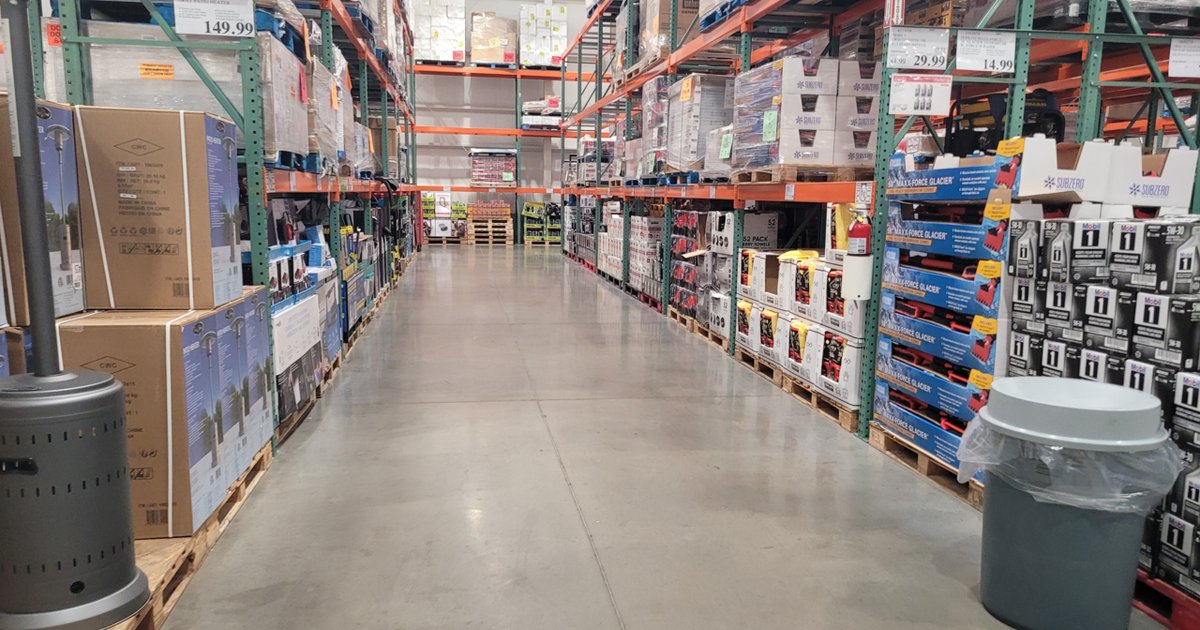
Buying in bulk has long appealed to budget-conscious shoppers, and warehouse clubs built an entire retail model around the idea that a membership fee upfront can be more than offset by lower per-unit prices on everyday goods. As household budgets face ongoing pressure from price increases, bulk buying has remained a consistently popular strategy, even as the format itself continues to evolve.
This last habit reflects a practical adaptation to a common downside of bulk buying: not every household has the storage space or consumption rate to use a large quantity of a product before it expires or becomes inconvenient to store, particularly for perishable goods or households with fewer people.
Financial and consumer advocates generally suggest bulk buying works best for genuinely non-perishable items that a household reliably uses on a predictable schedule, since the savings only materialize if the product gets used before it goes to waste or the household simply forgets it's there. Perishable items, seasonal products, or things that might go unused if preferences change are common examples where bulk buying can actually cost more overall despite the lower sticker price per unit.
Warehouse clubs and bulk retailers have also expanded their offerings well beyond groceries, adding categories like electronics, furniture, and even travel and insurance services to keep members engaged year-round rather than only during grocery trips. As inflation-conscious consumers continue to scrutinize their spending, the fundamental appeal of paying less per unit by buying more at once seems likely to remain a durable part of consumer behavior, provided shoppers stay realistic about what they'll actually use.