
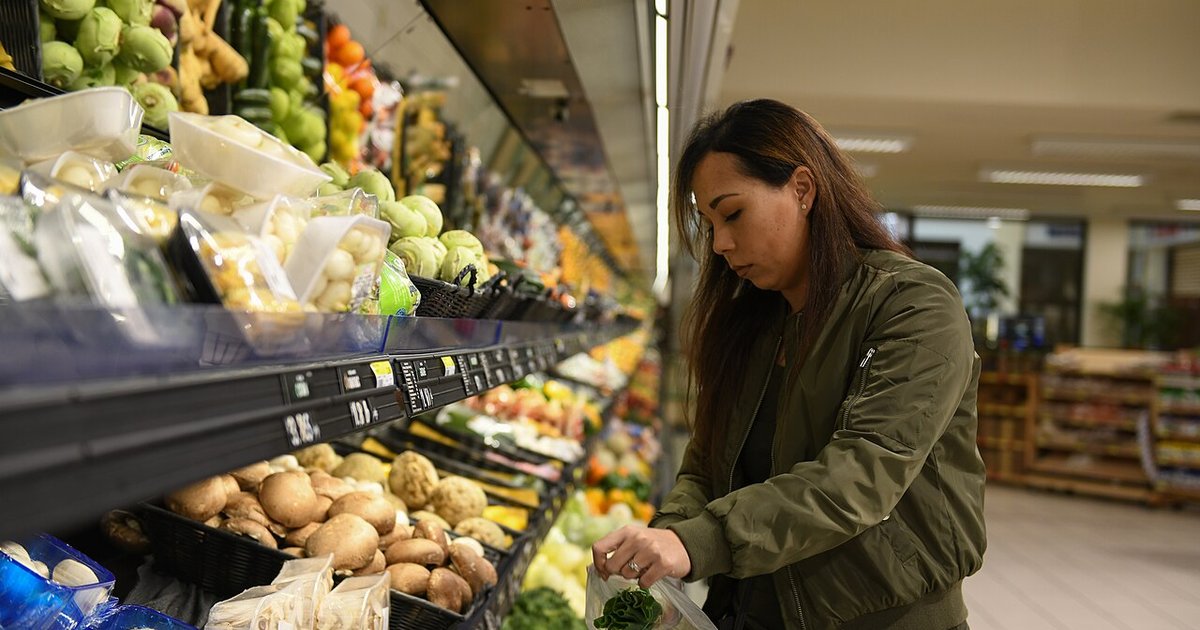
For decades, grocery shopping meant a physical trip to a store on a predictable schedule. On-demand delivery apps have broken that pattern, letting consumers order groceries whenever the need arises, whether that's a full weekly shop or a single missing ingredient for dinner. This shift has changed not just how groceries arrive, but how people plan meals, budget, and think about the store trip itself.
Retailers and delivery platforms have adapted their strategies accordingly, using app placement, sponsored search results, and personalized recommendations to influence purchases in ways that mirror, but don't exactly replicate, the psychology of in-store merchandising.
The convenience of grocery delivery comes with tradeoffs that many households are still learning to navigate. Delivery and service fees can add a meaningful amount to a grocery bill, and price markups on delivered items compared to in-store shelf prices are common enough that price-conscious shoppers have started comparing both channels before deciding how to order.
At the same time, delivery apps have opened up grocery access for people with mobility limitations, demanding schedules, or a lack of reliable transportation, making them a genuine convenience rather than a luxury for a meaningful share of users. Many households now use a hybrid approach: a larger in-person trip for the bulk of a weekly shop to control cost, supplemented by app orders for last-minute or smaller needs where the convenience premium is easier to justify. As competition among delivery platforms continues, most analysts expect fees and pricing gaps to remain a key battleground, since they are often the deciding factor in whether a shopper chooses to order or drive to the store themselves.